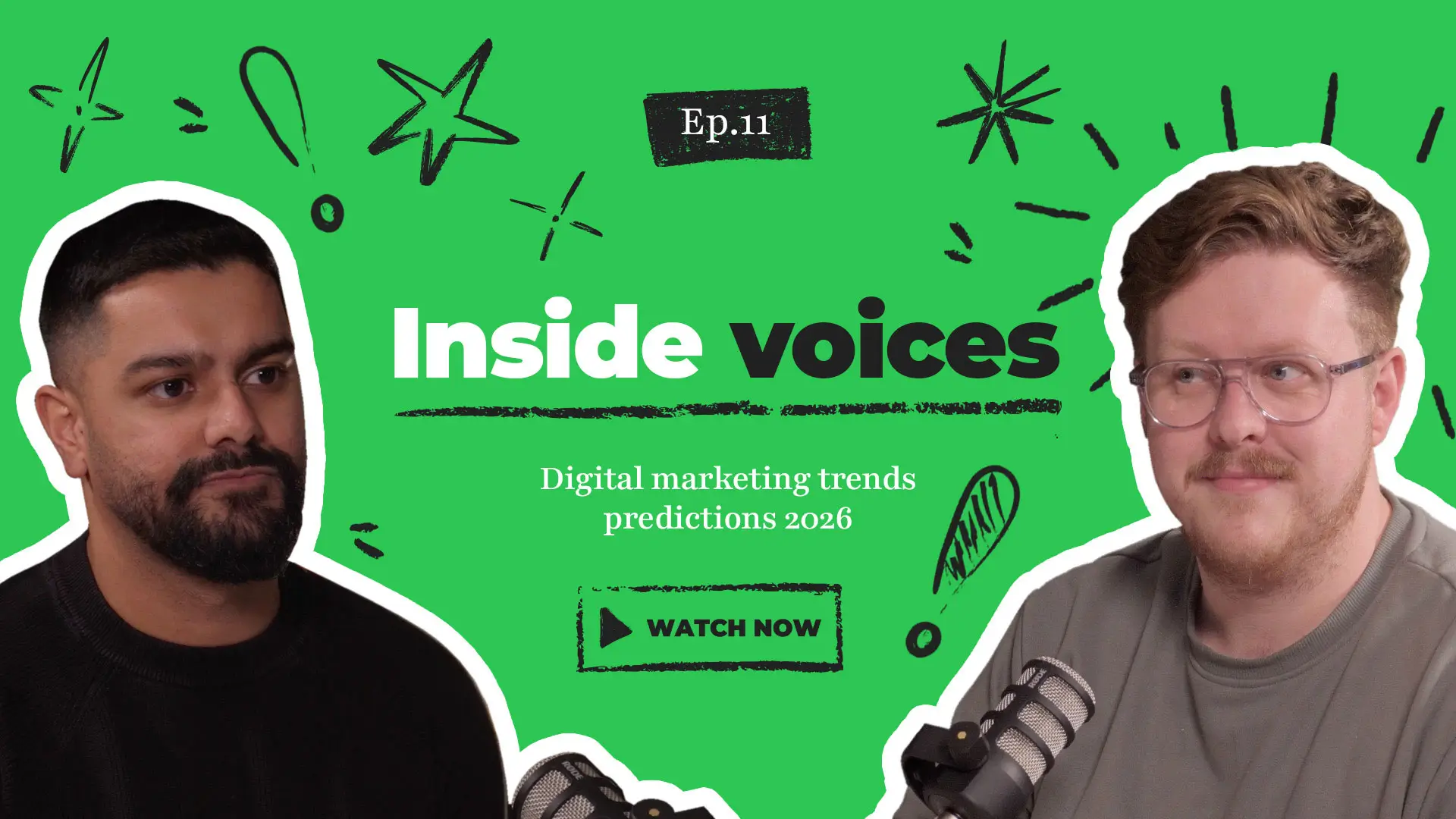
Why human behaviour, not just AI, will define your 2026 strategy
The conversation in digital marketing is dominated by AI, but the true opportunity for 2026 is rooted in fundamental human behavioural change. Consumers are demanding unprecedented levels of control, transparency, and authenticity.
For brands, this isn’t about simply adopting new tools; it’s about rewriting the rules of the buying journey. The marketing winners in Q1 2026 will be those who strategically align their technology (like AI) with these evolving human needs.
Here are the four non-negotiable trends your brand must master now.
- The privacy-for-personalisation paradox & first-party data
The imminent collapse of third-party cookies is merely a symptom of a deeper consumer shift: a massive trust deficit and a growing concern over data usage. Consumers will share data, but only when the value exchange is crystal clear. Trust is the new currency.
- Data concern is high: A remarkable 76% of consumers express deep concern about how companies collect and use their personal data.
- Trust is low: Only 39% of consumers believe their personal information is used responsibly.
- The transparency demand: Nearly half (46%) of consumers would share information more willingly if businesses were transparent about collection practices. Furthermore, 45% expect to control or delete their collected data themselves.
The Q1 action plan: earning data, not harvesting it
The focus must pivot from mass data collection to earning First-Party Data. Brands that successfully use this earned data have reported up to a 2.9x revenue uplift and a 1.5x increase in cost savings.
Personalisation (AI-driven recommendations boost conversion by 70%) must be balanced with transparent practices. Strategically, this means:
- Establishing a CDP (Customer Data Platform): A central hub for managing consented data.
- Implementing server-side tracking: An immediate necessity to maintain reliable attribution as the cookieless future arrives.
Generative engine optimisation (GEO), the new battleground
As AI models, search companions (like Google’s Gemini), and autonomous shopping agents replace traditional links with direct, conversational answers, a new battleground for brand visibility has emerged.
GEO is the strategic practice of positioning a brand to be cited and summarised by AI systems. The goal is no longer to get a click, but to be the trusted source cited in the AI’s answer.
- The Search Shift: 64% of shoppers now use AI tools to discover or research new products.
- The Citation Metric: GEO shifts the focus from ranking in a link list to being the trusted, citable source for the AI’s generated response. Brands that are not cited effectively become invisible.
- Market Growth: The GEO market is projected for explosive growth, underscoring its strategic importance, with the global market size expected to reach over $848 million in 2025.
The GEO mandate: becoming machine-readable
Success is achieved through semantic clarity, entity alignment, and E-E-A-T (Experience, Expertise, Authority, Trust).
Your content strategy must now pivot to be machine-readable: utilising strict Schema markup, building dominant topical authority, and creating content that is concise, factual, and designed to answer a question the AI can confidently cite.
- The intentional spending & transparency premium
Economic pressures have created a highly intentional consumer for 2026. This shopper is numb to volatility but is deeply values-driven. Trust is no longer a soft metric – it is a core component of perceived value.
- Trust Over Price: While shoppers will switch brands for a better price 55% of the time, a significant 87% of shoppers will pay more for a brand they trust.
- The Transparency Premium: Global data shows up to 80% of consumers are willing to pay a premium (in some cases up to 9.7% more) for products that are sustainably and ethically sourced.
- The Greenwashing Backlash: Consumer scepticism is at an all-time high. A global survey revealed that 91% of consumers believe at least some brands engage in greenwashing. This is a real deterrent: 54% of UK consumers are prepared to boycott brands over misleading green claims.
The authenticity imperative
81% of consumers research a brand before buying. Brands must move beyond vague claims to Verifiable Transparency by offering auditable data on supply chains, materials, and carbon footprint. This is accelerated by younger consumers, as 88% of American Gen Z consumers express distrust in generic ESG claims. Authenticity is now the foundation of modern brand integrity.
- The subscription economy and the Pay-or-Okay Model
While the subscription economy continues its massive growth (projected to reach $599 billion in 2026), a new dynamic is emerging that impacts every marketer: the Pay-or-Okay model.
This is driven by the introduction of ad-free subscription tiers by major platforms, like Meta’s new subscription offering for Facebook and Instagram users in response to regulatory pressure.
- Convenience and Budgeting: 8 in 10 Gen Z and Millennials find subscriptions a convenient, time-saving way to purchase.
- The Meta Effect: The launch of ‘ad-free’ subscription tiers creates a split audience, which has two immediate impacts on your ad spend:
- Shrinking Ad Inventory: A portion of high-value, high-income users will opt out of ads entirely, reducing the available ad-targetable audience.
- CPM Cost Pressure: Reduced inventory paired with continued demand is likely to push CPMs (cost per mille) higher for the remaining ad-supported audience.
The retention & relevance challenge
The key pivot is from acquisition to use retention. Brands must now create hyper-relevant, high-quality ad creative that justifies a user’s attention. For the ad-supported audience, the expectation of value from your creative is higher than ever before.
Furthermore, businesses must prioritise modular subscriptions (flexible bundling) and transparent pricing, as over 50% of consumers now know exactly how much they are spending on subscriptions.
Your next step: from insight to integrated strategy
The 2026 marketing landscape is a complex blend of human demands and AI dominance. Success depends on an integrated strategy that addresses these four trends holistically.
At RBH Creative Communications, we specialise in developing GEO-ready content, building transparent brand narratives, and creating conversion-focused campaigns that thrive in the new Pay-or-Okay environment.
Ready to align your Q1 2026 strategy with these human-centric trends?